
Review · LOS ANGELES MUSEUMS
Los Angeles: Grammy Museum Entry Ticket
The Grammy Museum puts music-making, not just music memorabilia, at the center of the visit. Sonic Playground has 17 hands-on stations where you can try microphones, beat machines and other ways of shaping sound, while the Mono to Immersive exhibit lets you hear how recorded music has changed.
I like two things in particular: you can test your own musical instincts instead of only looking at display cases, and the exhibits connect artists and genres to the sound and performance choices behind the songs. The terrace also offers a chance to photograph the Hollywood Sign, an unexpected view to add to a Downtown Los Angeles museum visit.
The main caveat is scale. The museum packs a lot into four floors, but some people may expect a larger institution or a fuller account of the Grammy Awards as an organization. Exhibits can also change, and sections may close for private events, so the exact visit depends on what is open that day.
- Make music at Sonic Playground: Seventeen interactive stations fill a 3,000-square-foot gallery, with opportunities to experiment rather than simply read about music.
- Listen to sound evolve: Mono to Immersive traces audio from the 19th century to surround sound and pairs the subject with Grammy performance moments.
- See artist-focused displays: The museum’s changing exhibits can include major artists and groups. The current featured display is about Luther Vandross.
- Look across four floors: Music memorabilia spans genres, eras and performers, with photography, clothing and other artifacts alongside interactive exhibits.
- Take a terrace photo: Ray Charles Terrace offers views of the Hollywood Sign, a welcome change of scene between galleries.
- Plan for a changing museum: Special displays rotate, and private events can mean a section is closed.
Start with music you can make yourself
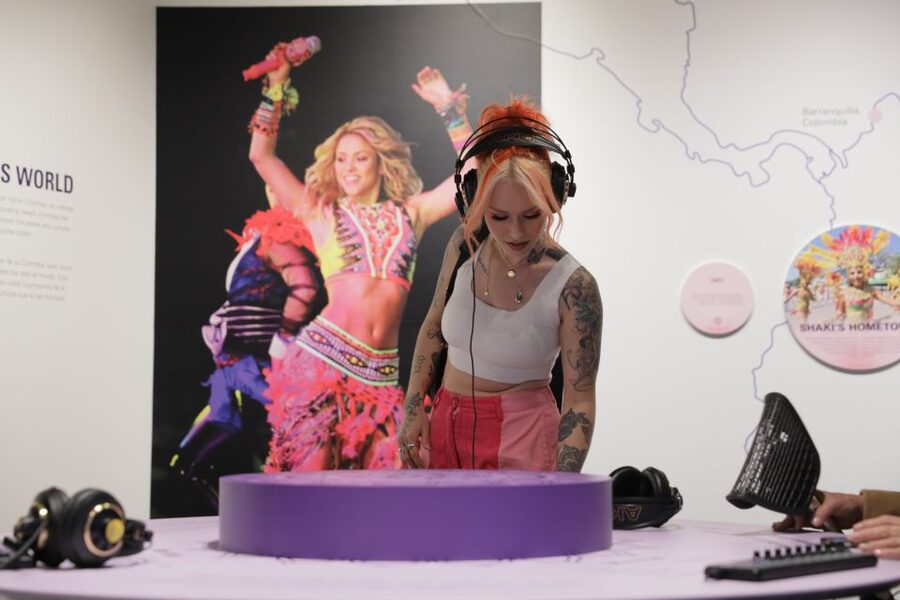
Sonic Playground is one of the clearest reasons to choose this museum over a conventional display of instruments and stage clothes. Its 17 interactive stations are designed to turn music-making into a hands-on activity, with microphones, beat machines and studio-style rooms among the features visitors have enjoyed.
That matters even if you have never touched a mixing board. You can try the tools, hear how choices affect a sound, and get a feel for the work that happens between an idea and a finished track. If you are visiting with someone who would rather press a button than read a wall panel, this gallery gives them a reason to stay engaged.
The space occupies a 3,000-square-foot gallery on the second floor. That is a substantial part of the museum, though not a promise that every station will be available at once. Interactive equipment can be temporarily out of service, so treat any one station as a bonus rather than the whole point of the visit.
I would give this area time instead of treating it as a quick stop on the way to the memorabilia. Try a few different activities, then compare what you hear with the sound-focused displays elsewhere. You will get more from the museum when you connect the mechanics of music to the artists and performances on view.
Hear familiar performances in Mono to Immersive

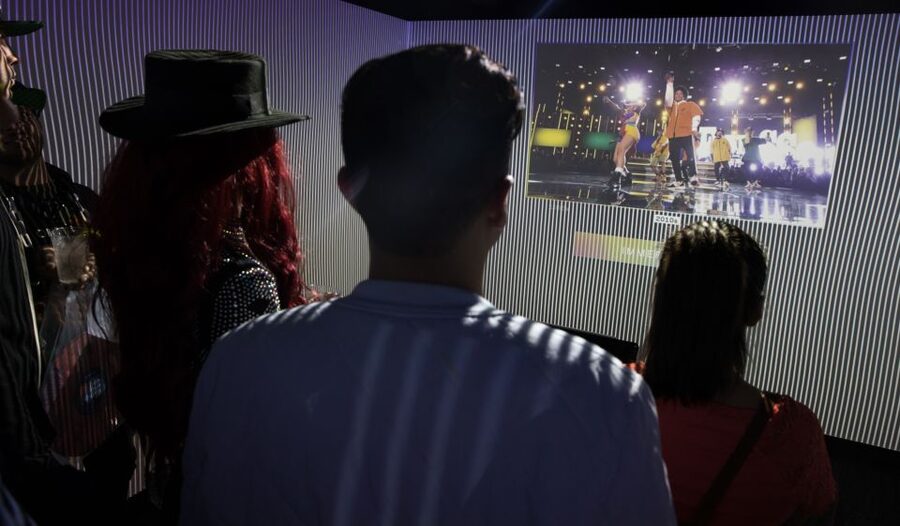
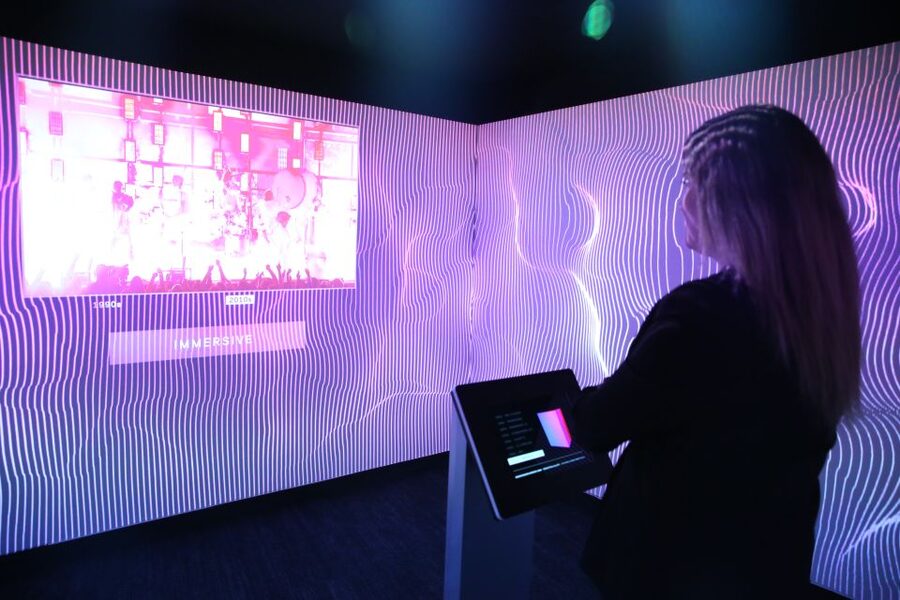
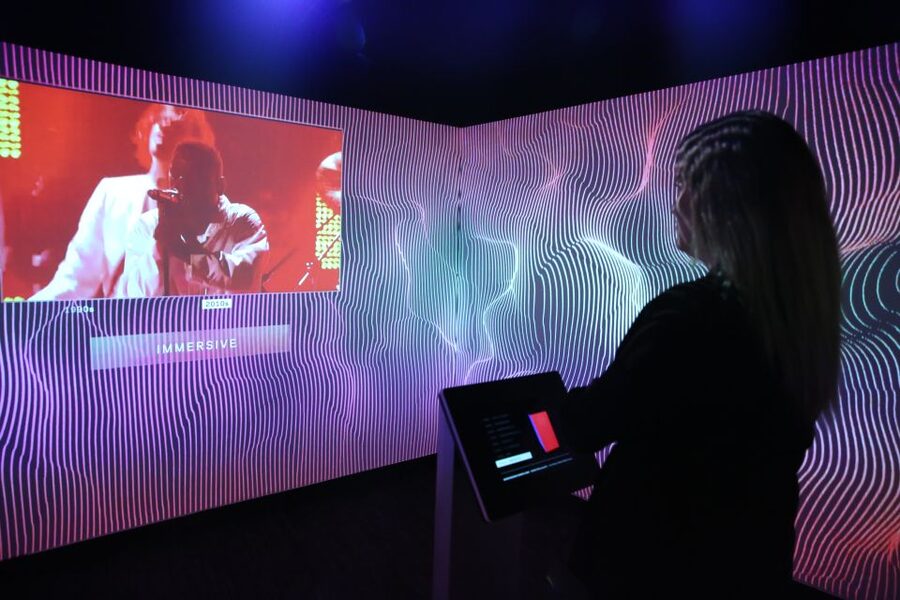
Mono to Immersive takes a different approach: rather than asking you to make music, it asks you to listen closely. The exhibit follows sound from the 19th century to surround sound today, using Grammy performance moments to show how the listening experience has changed.
That can turn a familiar song or award-show performance into something new. Instead of treating sound as background, you can focus on how it is presented and how technology changes what reaches your ears. One visitor described the sound-quality room as a place they could happily spend hours watching and listening, though they wished it offered more choices.
This is a good stop for music fans who care about recording and production as much as performers. It also works for casual listeners, because the contrast between different sound formats is easy to appreciate without technical knowledge. Still, the exact selection of performances and formats is not specified, so do not arrive expecting a particular artist or song.
The exhibit pairs well with Sonic Playground. One gives you a chance to experiment with making sound; the other asks you to notice how sound is carried to an audience. Together, they make the museum feel less like a hall of souvenirs and more like a place to think about how music reaches us.
More museum visits in Los Angeles:
- Los Angeles: Petersen Automotive Museum Admission Ticket
★ 4.7 · 592 reviews - Los Angeles: Natural History Museum of LA Entry Ticket
★ 4.7 · 457 reviews - Los Angeles: Petersen Automotive Museum Entry & Vault Access
★ 4.8 · 264 reviews
Follow Grammy moments and music history
The museum traces the Grammy Awards from their start in 1959 to today and brings major performances into the story. You can get close to memorabilia associated with artists such as Michael Jackson, Taylor Swift and Stevie Wonder, while seeing how the awards and the music around them have changed over time.
There is a useful distinction here. The museum covers music through performers, genres, objects and sound, but it may not satisfy someone whose main interest is the Grammy organization itself. If you want a close account of how nominations are judged, how the selection process works or how each year’s show is produced, the displays may not answer every question.
That is not a flaw for every visitor. A broad music museum can be more engaging than a narrow account of award procedures, especially if you care about the songs, artists and visual style as much as the trophies. But it is worth setting your expectations: the emphasis is on music and its makers, with Grammy history as an important thread rather than the sole subject.
The displays may also leave some open wall space, and the amount of material can feel uneven from one section to another. If you hoped for a packed timeline covering every year, you may want more detail. If you are happy to move between standout objects, interactive stations and focused artist exhibits, the visit has more to offer.
See how changing exhibits shape the visit
Rotating special exhibits give the museum a reason to change between visits. The current featured exhibit is Luther Vandross: Artistry and Elegance, about the life and legacy of the eight-time Grammy winner, songwriter, arranger, producer and performer. It offers a focused look at a major vocalist rather than a quick name on a list.
Other artist displays have included Selena, BTS, ATEEZ and xikers. Because special exhibits change, there is no guarantee that a particular artist or group will be on view when you go. Check what is currently featured before booking if one display is the main reason for your visit.
The RetroBlakesberg exhibit takes a broader view through photographer Jay Blakesberg’s work. It covers 30 years of music history, from blues, folk and rock ’n’ roll to hip-hop and alternative music. Photography can make a useful counterpoint to the objects in other galleries, showing music as a scene and a culture, not only as recordings and awards.
Artist-focused displays are often the most personal part of a museum visit. A carefully built exhibit can show the work behind a public image, while a genre display can connect music to the people who made it. The balance depends on what is showing, so a return visit may feel quite different from your first one.
Take in the collection across four floors

The museum spreads music memorabilia across four floors, with exhibits covering a wide range of genres. Expect a mix of objects, images, interactive displays and artist stories rather than one uninterrupted timeline. Some areas may focus on a genre or performer, while others look at sound, recording or Grammy moments.
Hip-hop displays have included opportunities to test DJ skills and musicality, making that section more active than a typical exhibit. The range can also feel selective. If you have a particular genre in mind, it is worth remembering that a focused display may not cover every artist or branch of its history.
The collection’s size is another point to weigh. Four floors provide plenty to explore, but this is not a giant museum that guarantees a full day of continuous display content. Some visitors may find the building smaller than expected, while others will appreciate that the exhibits are close enough to explore without turning the visit into a long march.
A fifth-floor area has been closed on some visits, and individual interactive features may not always work. The museum may also close sections for private events. Keep your plans flexible and do not base the whole outing on one room being open.
More tickets and passes in Los Angeles:
- Universal Studios Hollywood General Admission Ticket, California
★ 4.0 · 1,489 reviews - Skip the Line: Express Ticket at Universal Studios Hollywood
★ 4.5 · 1,144 reviews - Disneyland Resort Anaheim Tickets in California
★ 3.0 · 662 reviews - Madame Tussauds Hollywood Tickets
★ 4.6 · 516 reviews
Step out to Ray Charles Terrace
Ray Charles Terrace adds a welcome pause to the indoor galleries. It offers views of the Hollywood Sign, giving you a chance to take a photo and look beyond the surrounding Downtown Los Angeles setting. It is a small feature, but it makes the museum visit feel less confined to exhibit rooms.
Bring comfortable shoes. You will be moving through multiple floors, and the visit is more enjoyable when you can take your time rather than hurry through the galleries. Since the ticket is valid for one day from first activation, you have room to explore at your own pace within that day.
The ticket covers museum entry only. Food, drinks, souvenirs and a guided tour are not included, so plan for those separately if they matter to your visit. This is a self-guided outing: you can follow your interests, but you will not have a guide explaining the displays as you go.
The museum is wheelchair accessible. If you have a particular access question about a room or feature, the supplied information does not describe each exhibit’s setup, so check directly with the museum before your visit.
Is $22 a fair price for the visit?
At $22 per person, the ticket offers reasonable value if you plan to use the interactive exhibits and spend time with the sound and artist displays. Sonic Playground alone gives the visit an active element that many music museums lack, while the memorabilia and rotating exhibits broaden the experience beyond one gallery.
The value depends on your expectations. If you want a detailed institutional history of the Grammys or a huge, densely filled museum, you may come away wanting more. If you want a varied look at music, artists, audio and performance, with room to try things yourself, the price is easier to justify.
Because special exhibits rotate, the ticket can also feel more worthwhile when a current artist display matches your interests. Luther Vandross: Artistry and Elegance is currently featured, but that will not necessarily be the case on a later visit. Check the museum’s current exhibits before you book, especially if you are choosing the museum for one particular artist.
Who should make time for this museum?
I would put the Grammy Museum high on the list for music fans who like to listen, experiment and look at artist memorabilia in the same visit. It suits families and groups with different levels of music knowledge, since the hands-on stations offer an easy entry point and the exhibits can appeal to casual listeners as well as dedicated fans.
It is also a good fit if you are interested in how music is recorded and heard, not only who performed it. Sonic Playground and Mono to Immersive give those subjects a practical, audible dimension. The terrace view is a pleasant extra, rather than the main reason to come.
I would be more cautious if your main goal is a complete history of the Grammy Awards as an institution, or if you expect every floor to be filled with dense displays. The museum’s appeal lies in its mix of music history, interactive activities and rotating artist exhibits. Book if that mix sounds right, and check the current exhibits and possible closures before you set your expectations.
FAQ

What is included with the $22 ticket?
The ticket includes entry to the Grammy Museum. Food and drinks, souvenirs and a guided tour are not included.
How long is the ticket valid?
It is valid for one day from the time you first activate it.
Is the museum wheelchair accessible?
Yes, the museum is listed as wheelchair accessible.
What can I do at Sonic Playground?
Sonic Playground is a hands-on music-making exhibit with 17 interactive stations in a 3,000-square-foot second-floor gallery.
Which special exhibit is currently featured?
The current special exhibit is Luther Vandross: Artistry and Elegance. Special exhibits rotate, so check what is showing before you go.
Can parts of the museum be closed?
Yes. The museum may occasionally close certain sections for private events.
Newly reviewed in Los Angeles
- Hollywood Speakeasy Bar Tour★ 5.0 · 12 reviews
- La Brea Tar Pits Segway Tour★ 5.0 · 7 reviews
- Private Arrival Airport Transfer from LAX (Los Angeles) Airport★ 3.5 · 25 reviews
- Private Departure Transfer to Los Angeles Airport LAX★ 4.0 · 31 reviews
- Sightseeing Tour of Los Angeles from LAX Hotels★ 3.5 · 27 reviews
- The Beverly Hills Segway Tour★ 4.6 · 16 reviews
- Los Angeles Airport: One-Way Private Transfer to Los Angeles★ 4.7 · 25 reviews
- Deluxe Los Angeles 5-Hour Limo Tour with Drinks Included★ 5.0 · 13 reviews
Los Angeles Museums, compared.

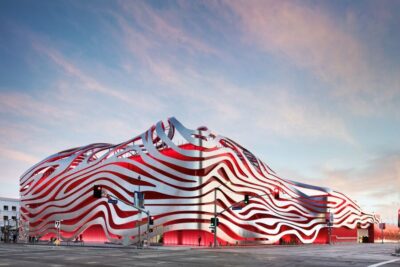
Petersen Automotive Museum Entry & Vault Access
Read our review →

La Brea Tar Pits and Museum Admission Ticket with Excavator Tour
Read our review →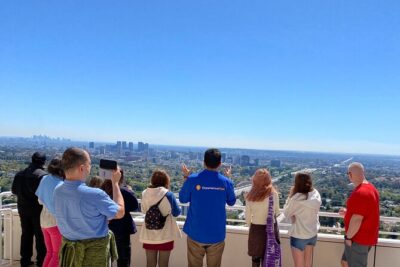
Private Getty Center to Griffith Observatory Guided Tour
Read our review →
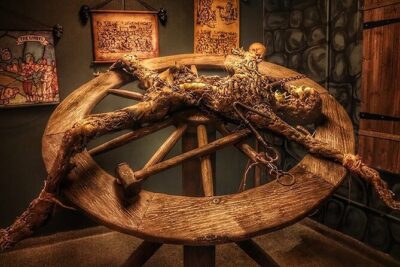
Hollywood Medieval Torture Museum Ticket with Ghost Hunting
Read our review →Browse the lists this tour appears in