
Review · LOS ANGELES TRUE CRIME TOURS
O.J. Simpson & Menendez Brothers True Crime Driving Tour of L.A.
The route ties two famous Los Angeles murder cases to the ordinary places around them: a shopping mall, a therapist’s office, a neighborhood coffee shop, and quiet residential streets. You’ll see how the Menendez and Simpson stories intersected through people, business, wealth, and geography, while following the events that made each case national news.
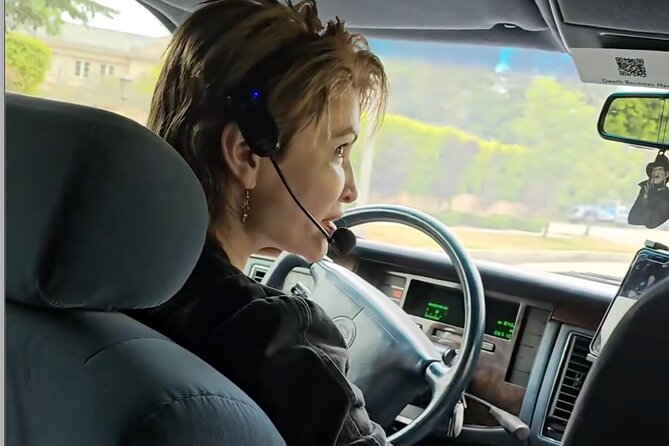
I like two things in particular: the unusual connections between the cases and the way the route places them in the everyday streets of West L.A. Guide Blaze has earned special praise for combining clear storytelling, humor, and media clips without losing sight of the victims. One consideration: the subject matter is grim, and many stops are addresses or former businesses viewed from a vehicle, not places you can tour inside.
At a glance
- Two cases, one route: Follow locations tied to the Menendez family and O.J. Simpson in a single three-hour drive.
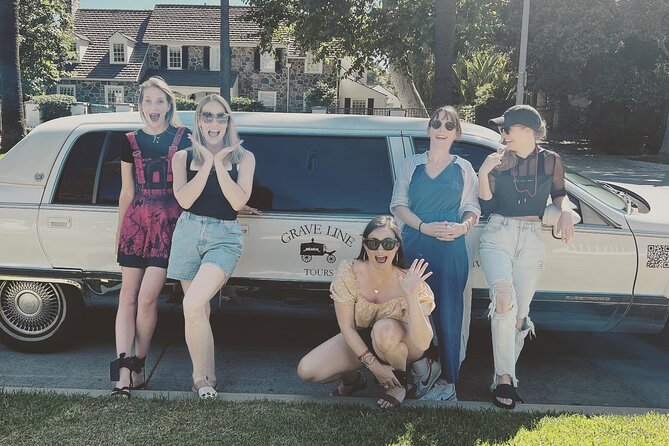
- A small group: The tour is capped at eight people, which should make it easier to hear the guide and ask questions.
- A guide who connects the dots: Blaze’s storytelling and use of audio and visual clips help link locations to the events around them.
- A coffee pause: The route includes a 20-minute stop at a Brentwood Starbucks, with time to stretch and buy a snack.
- A historic setting: The drive takes in Beverly Hills, West Hollywood, Brentwood, and West Los Angeles, including sites that have since changed or disappeared.
- Not light entertainment: The tour covers murder, domestic violence, family trauma, and the AIDS crisis. It is not recommended if those subjects could upset you.
Two cases on the streets of West L.A.
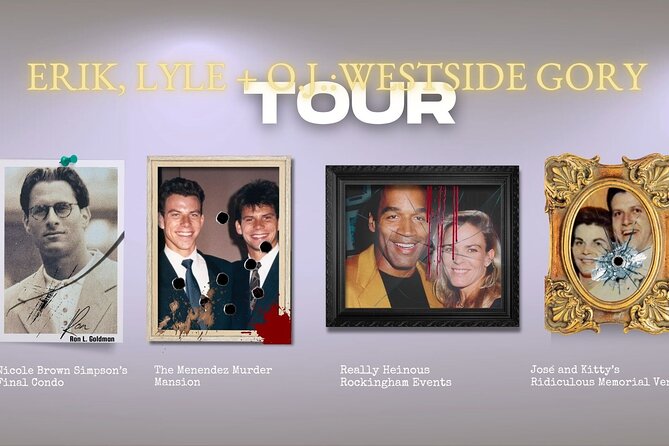
This tour is less a collection of famous addresses than a moving lesson in how crime stories become part of a city’s geography. In about three hours, you travel between the Menendez family’s Beverly Hills world and the Simpson case’s Brentwood setting, with Hollywood business, luxury shopping, nightlife, and ordinary errands linking the stops.
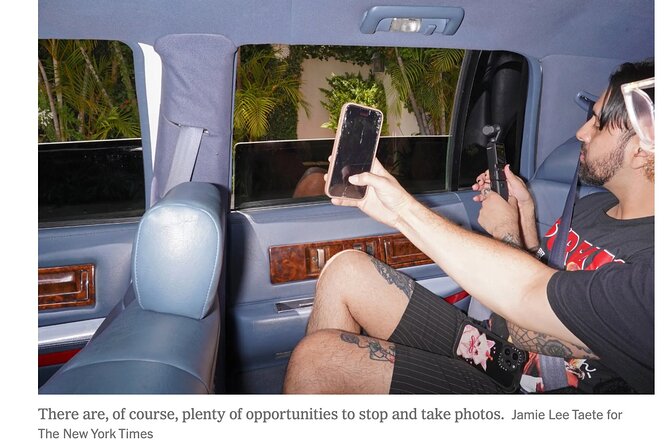
The small-group format matters here. With a maximum of eight people, you are not watching a large coach unload at every location. You can follow a continuous story from the vehicle, ask questions, and take in the changing neighborhoods without losing much time to group management.
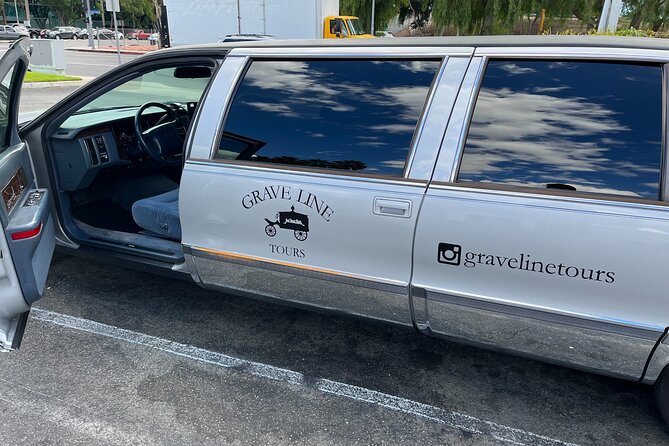
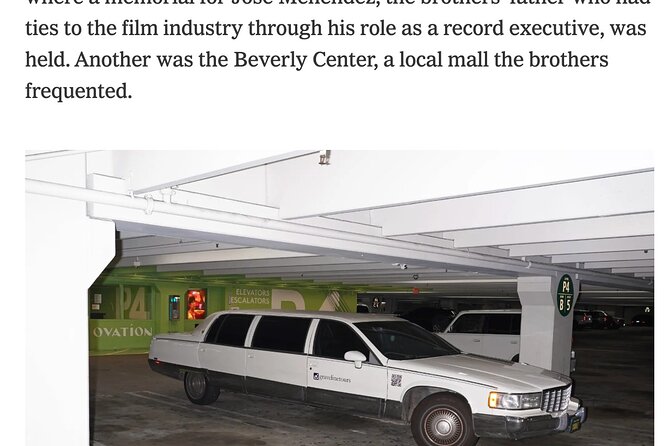
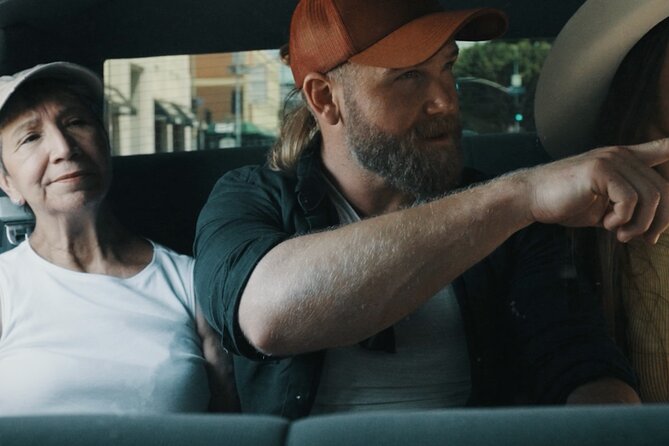
The tour begins at Ovation Hollywood, at 6801 Hollywood Boulevard, and returns there at the end. Its listed start time is 10:30 a.m. The activity is in English, and the tour provides visual background materials for passengers with smartphones. The description and firsthand accounts of the ride refer to a funeral limousine, a distinctive way to cover a route that includes many stops in a relatively short time.
More true crime tours in Los Angeles:
- Haunted Hollywood Walking Tour: True Crime and Creepy Tales
★ 5.0 · 299 reviews - Sunset Boulevard True Crime and Ghost Stories Tour
★ 5.0 · 83 reviews - Hollywood: Haunted Walking Tour, True Crime, Creepy Tales
★ 4.6 · 70 reviews
Hollywood connections before the trials
One early stop is the Directors Guild of America theater on Sunset Boulevard, where José and Kitty Menendez’s memorial service took place in 1989. The setting links the family’s public mourning to the entertainment industry that shaped so much of Los Angeles life. It is not simply a crime-scene address. It points to the family’s place in a world of film, business, and celebrity.
The route also passes a Hertz location connected to José Menendez’s work with O.J. Simpson. José helped secure Simpson a national spokesperson and television commercial deal, linking the two stories years before their murder cases dominated headlines. This is one of the tour’s strongest connections: the cases are not paired only because both happened in the same part of Los Angeles.
At the Beverly Center, the focus shifts to the Menendez brothers’ spending after their parents’ deaths. Erik and Lyle were seen on shopping trips, and their purchases later became part of how prosecutors presented their motives and character. The mall itself is a useful reminder that the evidence in a courtroom can include ordinary public behavior as well as forensic facts.
A former nightclub site on La Cienega Boulevard connects to O.J. Simpson’s treatment of Nicole Brown Simpson during a night out with Keith Zlomsowitz. The account of the confrontation gives context to the pattern of control and intimidation that later became central to the case. As with many stops on the drive, the value is in hearing what happened at a place that may now look entirely ordinary.
West Hollywood and a wider view of the 1990s
The route makes room for West Hollywood’s history during the AIDS crisis. In the 1980s and 1990s, the area was a center of loss and activism for LGBTQIA+ people, including efforts around healthcare, awareness, and civil rights. That perspective broadens a tour that could otherwise focus only on celebrity, wealth, and criminal trials.
A longtime gay club provides a more personal point of reference. Its dance floor and bar served as places where people built community, grieved, and claimed space during a time of intense homophobia and devastating illness. The contrast with the public image of the Simpson and Menendez families is worth considering, though it also shifts the tour beyond the two headline cases.
A small park off Santa Monica Boulevard brings the route back to the Menendez story. Erik met his therapist, Dr. Jerome Oziel, there after leaving Oziel’s nearby office. On a bench, Erik spoke about nightmares and guilt, then confessed to the killings. The setting is striking precisely because it is not grand or dramatic. A quiet neighborhood green space became part of the chain of events that changed the case.
Beverly Hills: wealth, therapy, and family pressure
Rodeo Drive carries several threads at once. Nicole and O.J. Simpson, along with members of the Menendez family, frequented this high-end shopping district. Its designer stores and polished sidewalks help explain why wealth and status became such visible parts of both cases and their public retellings.
Near Rodeo and Brighton Way, Nicole saw O.J. riding with two women and confronted them. The episode gives the glamorous shopping district a less polished meaning: a public setting where conflict in the relationship spilled into view.
The tour also stops at the former Daisy nightclub site, where 18-year-old Nicole Brown worked as a waitress and met O.J. Simpson in 1977. The former venue is gone, but the address marks the beginning of a relationship that would later be scrutinized in court and across the country. A former restaurant or nightclub can be easy to pass without noticing. The guide’s story makes the location legible.
At 435 North Bedford Drive, Dr. Oziel’s former office connects directly to the Menendez case. He held therapy sessions with Erik and Lyle, recorded incriminating conversations, and became a key prosecution witness. The nearby park and office together help explain how a private confession became part of a public trial.
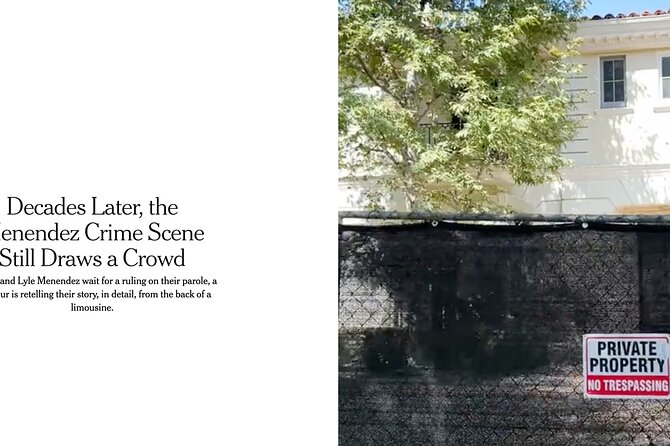
The family home at 722 North Elm Drive is among the route’s most emotionally charged addresses. José and Kitty Menendez were killed in the home’s TV room in August 1989. The Mediterranean-style villa remains behind gates, so expect to see the exterior rather than enter the property. The address is powerful, but it is also a private residence. A respectful visit means keeping that distinction in mind.
The UCLA stop adds context to Erik’s life before the murders. He was accepted to the university but was not allowed by his father to live in the dorms, and instead had to commute from home. The detail speaks to control and limited independence, themes that became part of the case’s examination of family life.
More Los Angeles tours:
- Los Angeles: Warner Bros. Studio Tour Hollywood
★ 4.6 · 7,191 reviews - Full-Day Iconic Sights of LA, Hollywood, Beverly Hills, Beaches and More
★ 5.0 · 6,147 reviews - Warner Bros. Studio Tour Hollywood
★ 4.5 · 5,246 reviews - Hollywood, Beverly Hills & Celebrity Homes Tour by Open Air Bus
★ 5.0 · 2,557 reviews
Brentwood, from daily routines to the murder scene
The Simpson portion of the route follows locations that once formed part of the family’s everyday routine. St. Martin of Tours Catholic Church on Sunset Boulevard hosted Nicole Brown Simpson’s funeral, attended by about 200 people, including friends, family, and celebrities. O.J. attended with their children. The church offers a quieter, human pause amid the tour’s legal and media history.
The former Rockingham estate at 360 North Rockingham Avenue was O.J. Simpson’s home and the place where the low-speed Bronco chase ended. The original mansion was demolished and replaced with a new residence, so there is no historic house to inspect. The address still matters because it figured prominently in the investigation and became a television landmark during Simpson’s surrender.
Nicole’s rented home on Gretna Green Way carries a more intimate and troubling part of the story. A 911 call from the home captured her plea for help as O.J. raged outside. The location brings the issue of domestic violence close to the surface. This is not simply an old celebrity scandal; the tour traces repeated requests for protection and the danger that preceded the murders.
San Vicente Boulevard gives the story an everyday rhythm. O.J.’s office, the couple’s gyms, restaurants, cafes, banks, and shops were part of the same corridor. Mezzaluna, where Nicole shared her last dinner with family, is gone. The former restaurant site is now occupied by other businesses, including a coffee chain and retailers. That change is typical of Los Angeles: the street remains, while the business attached to a famous moment disappears.
The tour’s 20-minute stop is at a Brentwood Starbucks. You can get coffee, buy a light snack, and stretch your legs. The location is associated with Nicole and Ron Goldman meeting in line, a casual encounter that later became part of the case’s story. This is the one stop with a stated break length, so it also gives you a welcome pause during a drive packed with serious material.
The final route through the Simpson case
Ron Goldman lived at a modest apartment building on Gorham Avenue, near a shopping plaza and O.J. Simpson’s office. On the night of the murders, he stopped at home to shower and change before heading to Bundy Drive to return Nicole’s mother’s glasses. The detail is painful because it shows how a routine errand became part of the last sequence of events.
A former Ben & Jerry’s location marks another ordinary evening detail: Nicole’s children, Sidney and Justin, had ice cream with family that night. The original storefront has changed, but the stop helps place the tragedy against the simple routines of family life.
At 875 South Bundy Drive, Nicole’s condominium is the central murder location. Nicole and Ron Goldman were killed on June 12, 1994, and their bodies were found near the entrance and walkway of the courtyard complex. It remains a residential building, not a visitor attraction. The tour gives you the context for its place in the case, but the setting calls for discretion and respect.
The route then follows an intersection associated with reports of Simpson driving his white Ford Bronco recklessly after the murders. From there, it connects with the freeway pursuit that drew police cars and news helicopters and was broadcast live across the country. The chase ended when the Bronco returned to Rockingham, where Simpson surrendered. In a car, with the city still moving around you, the scale of the media event becomes easier to picture.
Is $93.08 a fair price?
At $93.08 per person, this is a specialized three-hour outing, not a general Los Angeles sightseeing tour. The value comes from combining two major cases, covering a wide area, and having a guide turn separate addresses into a connected account. You also avoid arranging transport between Beverly Hills, West Hollywood, Brentwood, and West L.A. on your own.
The price makes the most sense if you are genuinely interested in true crime and want more than a list of sites. Blaze’s storytelling, use of media clips, and ability to connect the Menendez and Simpson cases are among the tour’s most praised features. The comfortable limousine is another practical plus for a route with many short stops and drive-bys.
If you are mainly looking for famous buildings to enter, this is not the right fit. Several places are former businesses, demolished properties, or private homes. Much of the experience is about listening and understanding the story while moving through the city, not spending time at attractions.
Who should book this drive?
Book it if you follow the Menendez or Simpson cases, want a focused look at West L.A. in the late 1980s and 1990s, or enjoy seeing how crime history fits into ordinary city life. It is especially useful if you want both cases in one outing and appreciate context around the people, businesses, and neighborhoods connected to them.
Skip it if violent crime, domestic abuse, or the AIDS crisis is likely to upset you. The tour explicitly warns that its subject matter can be disturbing. It is also not ideal if you prefer a relaxed sightseeing drive with little narration or expect access inside the addresses.
The tour requires good weather. If poor weather forces a cancellation, you are offered another date or a full refund. You can cancel up to 24 hours before the start for a full refund; changes or cancellations made later are not accepted. The activity is near public transportation, and most people can participate.
FAQ
How long is the tour?
It lasts about three hours and returns to its starting point at Ovation Hollywood.
Where does the tour begin?
The meeting point is Ovation Hollywood, 6801 Hollywood Boulevard, Hollywood, California.
What time does it start?
The listed start time is 10:30 a.m.
How large is the group?
The maximum group size is eight people.
Is the tour in English?
Yes. The tour is offered in English.
Is food included?
No. Snacks are not included, but the tour has a 20-minute coffee break where you can purchase coffee and light snacks.
Is this tour suitable for everyone?
No. It covers murder, domestic violence, and other disturbing topics. It is not recommended for people who are sensitive to extreme subject matter or may be emotionally upset by it.
Newly reviewed in Los Angeles
- Best of Downtown Los Angeles by Luxury E-Bike★ 5.0 · 4 reviews
- Helicopter Transfer: Long Beach to Catalina Island★ 4.5 · 4 reviews
- Gourmet Original Farmers Market & Fairfax Walking Food Tour★ 4.5 · 8 reviews
- Golden Route Lowrider Tour★ 5.0 · 10 reviews
- Gourmet Downtown LA Walking Food Tour with Delicious Dish Tours★ 4.5 · 23 reviews
- 2 Hour Private Group Surf Lessons in Hermosa Beach★ 5.0 · 5 reviews
- Skip the Line: General Admission Museum of Tolerance Ticket★ 4.0 · 14 reviews
- Grand Los Angeles 65-Minute Helicopter Tour★ 5.0 · 3 reviews
Los Angeles True Crime Tours, compared.
Haunted Hollywood Walking Tour: True Crime and Creepy Tales
Read our review →
Sunset Boulevard True Crime and Ghost Stories Tour
Read our review →
Sunset Strip True Crime and Haunted Tales Walking Tour
Read our review →
L.A. Mafia History Tour: Gangsters, Mobsters & Crime Legends
Read our review →Browse the lists this tour appears in