
Review · LOS ANGELES MUSEUMS
Natural History Museum of Los Angeles County Admission
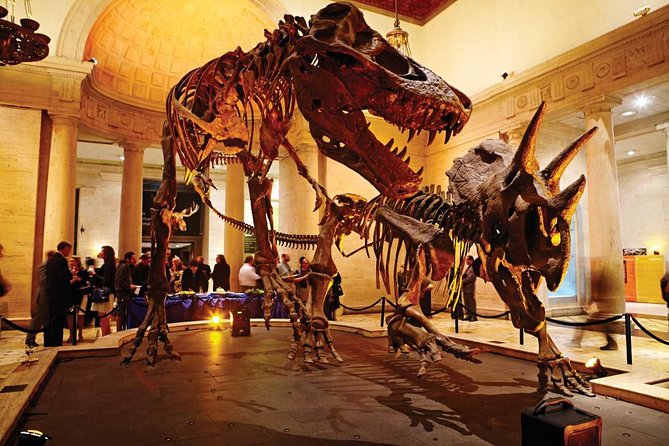
A Tyrannosaurus rex growth series gives this museum a remarkable centerpiece: you can see how the famous predator changed as it grew, alongside hundreds of fossils and full-size skeletons. I like the mix of big, dramatic dinosaur displays and smaller hands-on discoveries, especially the Nature Lab and gardens, which connect the collections to Los Angeles today.
I also like that the $18 admission covers several major halls, not just the dinosaurs. The main catch is practical: parking can be costly or a long walk away, especially when an event is happening at the nearby stadium, so plan your route before you set out.
What to know before you go
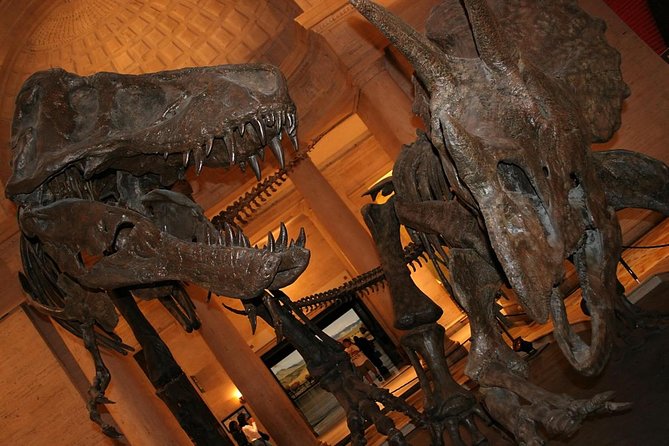
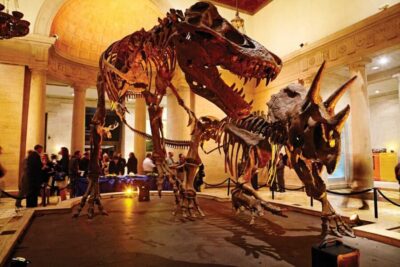
- A rare T. rex growth series: The Dinosaur Hall includes the world’s only Tyrannosaurus rex growth series, plus more than 300 fossils and 20 complete skeletons.
- A full range of natural history: Dioramas, mammoth and whale skeletons, minerals, native plants, and live local creatures make this more than a dinosaur stop.
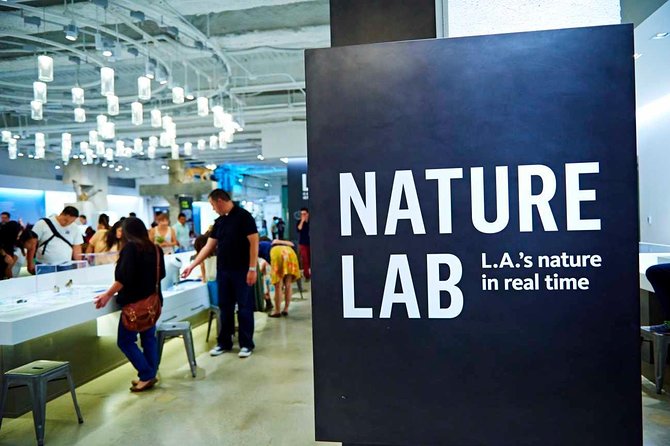
- Hands-on details for children: Kids can explore interactive exhibits and virtual fossil excavation, and the Nature Lab brings living L.A. creatures into the visit.
- Plan around add-ons: The Dinosaur Encounters show and the Fierce! The Story of Cats exhibition are not included in standard admission.
- Allow time to walk: Three hours is a useful starting point, but the museum is large enough that you may want longer.
- Think ahead about getting there: Public transportation is an option, while parking prices and distance can change with nearby events.
The dinosaur halls give the visit its headline
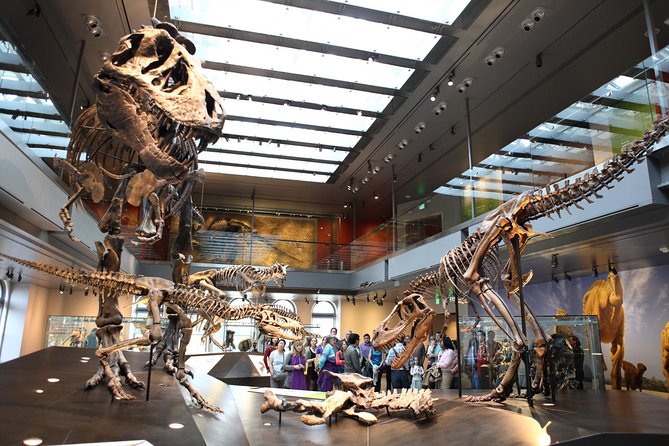
The Dinosaur Hall is the natural first stop for many families, and it earns the attention. More than 300 fossils and 20 complete skeletons give you plenty to look at, while the Tyrannosaurus rex growth series adds a scientific story to the spectacle. Rather than seeing one imposing skeleton and moving on, you can compare specimens and consider how the animal changed as it matured.
There is also a Dino Lab, where you can get a behind-the-scenes view of paleontologists at work, and a virtual excavation activity. These details help turn a room full of bones into a place where children can ask how scientists study the past. The displays are educational without requiring a science degree from the adults in the group.
The Dinosaur Encounters show is a separate purchase, not part of the admission ticket. If that performance is a priority, ask about add-on tickets when you arrive and factor the extra cost into your budget. The standard ticket still includes the Dinosaur Hall, so you can enjoy the main fossil displays without paying for the show.
This is one of the museum’s most popular areas, and school groups can affect how easily you see individual displays. If your visit falls during a school excursion, some exhibits may be harder to view until a group moves on. Arriving earlier may help: one visit around 10:30 a.m. was described as quiet, with more people arriving after lunch.
More museum visits in Los Angeles:
- Los Angeles: Petersen Automotive Museum Admission Ticket
★ 4.7 · 592 reviews - Los Angeles: Natural History Museum of LA Entry Ticket
★ 4.7 · 457 reviews - Los Angeles: Petersen Automotive Museum Entry & Vault Access
★ 4.8 · 264 reviews
Dioramas and skeletons tell a wider story
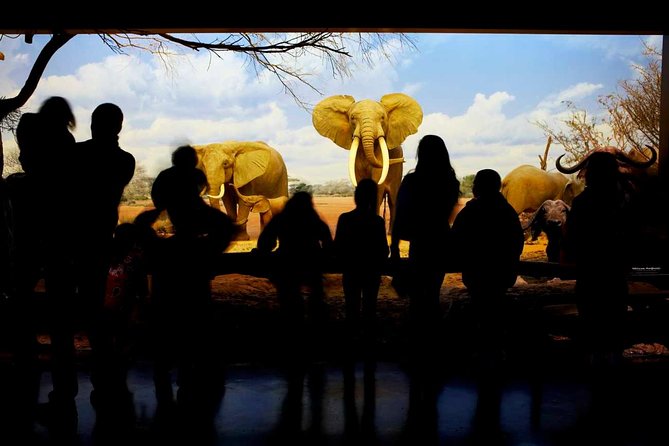
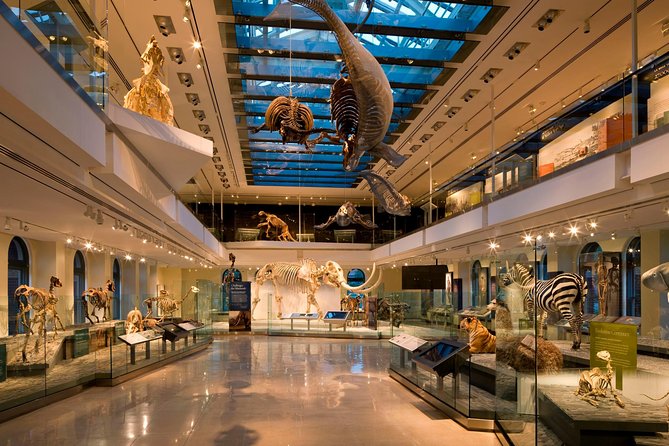
After the dinosaurs, the evolutionary displays broaden the picture. The museum presents a story of life across 65 million years through more than 240 specimens, including mastodon and whale skeletons, as well as animal dioramas from North America and Africa.
The scale changes from room to room. A large skeleton makes an immediate impression, while a carefully arranged animal scene invites you to slow down and look at the details. If you are visiting with children, that variety helps keep the day from becoming one long march past bones.
The dioramas are also a good reason to give the museum more than a quick pass. You can compare animals and habitats, then move from extinct species to creatures still living today. The combination of fossils, skeletons, and preserved scenes gives you different ways to think about how life has changed.
There is a lot to see, and three hours may not be enough if you read every display. Some visitors find that a single visit only scratches the surface; one family thought the museum could fill two days at a slower pace. For a first visit, I would choose a few must-see areas, then leave room for discoveries rather than trying to give every exhibit equal time.
The Gem and Mineral Hall offers a different kind of spectacle
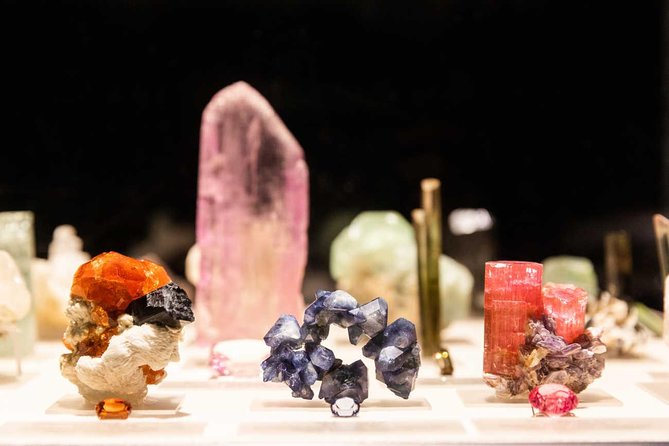
The Gem and Mineral Hall shifts the mood from prehistoric bones to polished stones and metals. It holds more than 2,000 specimens, including diamonds, rubies, sapphires, and gold displayed in a vault. The variety makes this a strong stop for adults and children alike, especially after the bigger dinosaur rooms.
The appeal is visual, but there is also a useful contrast here. Fossils show the passage of time through living things; minerals offer a closer look at the materials beneath our feet and the colors and forms they can take. If you are visiting with a child who has never seen a large crystal or gemstone up close, this room may be as memorable as the animal displays.
The museum’s collections can make it tempting to hurry from one highlight to the next. Try to leave time for the mineral cases rather than treating them as a brief detour. The hall is included with admission, while the separate Fierce! The Story of Cats exhibition requires an additional ticket.
That cat exhibition was scheduled to run from July 13 through February 18, 2026. It explores cats from sabertooths to household pets, with subjects including their behavior, evolution, biology, and relationship with people. Since the listed dates have passed, check directly with the museum if you are hoping to see it on a future visit.
Nature Gardens and the Nature Lab bring Los Angeles into the story
The museum is not only about ancient life. In the Nature Gardens, you can walk among native plant species, while the Nature Lab introduces creatures found in the Los Angeles area. Together, these spaces link the collection to the city outside the museum walls.
That local focus is valuable if you are visiting Los Angeles and want more than a general survey of faraway animals. The Nature Lab gives children a chance to see living creatures, and the gardens offer a change of pace from indoor exhibit rooms. If you have spent much of the day looking at displays, a stroll outdoors can help everyone reset.
The Becoming Los Angeles exhibit adds a human history thread, following the city’s transformation from a pueblo to a sprawling metropolis. It helps place the natural collections in a local setting and gives you another reason to visit even if dinosaurs are not your main interest.
The museum’s range is one of its strengths, but it also means that not every subject gets the same amount of time in a three-hour visit. Families focused on the dinosaur displays may have to make a choice between lingering in the halls and exploring the gardens, city history, and live-animal areas. A simple plan helps: pick the must-see exhibits before you arrive, then use the rest of your time for whatever catches your attention.
More history tours in Los Angeles:
- The History and Architecture of Downtown Los Angeles
★ 5.0 · 94 reviews - Downtown Los Angeles History and Architecture Walking Tour
★ 5.0 · 93 reviews - The History and Architecture of Downtown Los Angeles
★ 5.0 · 66 reviews - Malibu: Celebrity Homes, Beaches & History Tour
★ 4.7 · 86 reviews
Three hours is a starting point, not a strict limit

The admission is designed for an independent visit rather than a guided tour. You can move through the included halls at your own pace, which suits families with children who want to stop, look closely, and revisit a favorite display. The ticket is mobile, and confirmation is provided at booking.
The museum is open daily from 9:30 a.m. to 5 p.m. according to the stated hours. A three-hour visit gives you time to see several major areas, but the building is large and the exhibit list is broad. If you enjoy reading exhibit text or have children who want to try the hands-on activities, build in extra time where possible.
The museum can feel calm early in the day and busier after lunch. School groups may also change the pace, especially in popular rooms where a class gathers around a display. If your schedule is flexible, an earlier arrival may make it easier to move between exhibits before the afternoon crowd builds.
Food is another point to plan. The museum has a café, but food lines can be long, and some visitors found the choices expensive. Bringing your own snacks or lunch is a practical option if permitted by the museum’s current rules; check those rules before packing food.
The $18 ticket is good value if you use the included halls
At $18 per person, admission covers the Dinosaur Hall, Diorama Halls, Gem and Mineral Hall, Nature Gardens, and Nature Lab, along with taxes and handling charges. That is a solid spread for a museum visit, especially if you spend a few hours exploring rather than rushing through one or two rooms.
The value depends on your interests and how much time you have. Dinosaur fans get the major fossil collection and T. rex growth series; families can add interactive activities and live creatures; adults interested in rocks, local history, or native plants have worthwhile stops too. If you only want to see one exhibit, the ticket may feel less compelling than it does for a longer visit.
Keep in mind that the Dinosaur Encounters show and the Fierce! cat exhibition cost extra. Also check the final price during booking, since the amount charged can differ from the stated $18 base price. The museum itself may have its own admission arrangements, so compare the ticket details before paying for a third-party booking.
Getting there can shape the day
The museum is near public transportation, and taking transit can be a good way to avoid parking costs. Parking is one of the main planning concerns: reported fees have ranged from about $20 to $40, and parking may be several blocks away when the closest lot is full or an event is taking place nearby.
A stadium game or concert can make a routine museum outing much harder. One family arrived to find the museum closed early for a special event, while others faced distant parking and a long walk. Before leaving, check the museum’s hours and look for major events in the area on your date. This is especially important if you are travelling with an older adult or young child.
The museum allows service animals, and most visitors can participate. The practical challenge is the amount of walking inside and, at times, the distance between parking and the entrance. Comfortable shoes and a realistic plan for breaks are sensible, particularly for a family visit.
Who will get the most from this museum
This is an easy choice for families whose children love dinosaurs, animals, or hands-on exhibits. The displays cover enough subjects to keep different ages interested, from large skeletons that make an immediate impression to digging activities and living creatures in the Nature Lab. Parents should expect plenty of walking and may want to bring snacks.
It also suits adults travelling alone or as a couple. The museum’s collections have enough variety for a relaxed few hours, and the galleries are not limited to child-focused displays. If you are visiting Los Angeles for the first time, Becoming Los Angeles adds a local perspective to the natural history exhibits.
It may be less suited to anyone with a tight schedule, a strong dislike of walking, or no way to avoid expensive event-day parking. If you have only a short window, choose your priorities in advance. If you have a full afternoon, you can take a more leisurely route and let the museum’s wide range of exhibits guide you.
Should you book the Natural History Museum of Los Angeles County?
Book it if you want a substantial, family-friendly museum visit with standout dinosaur displays and more to see after the fossil halls. The included gardens, minerals, dioramas, and local nature exhibits make the $18 admission worthwhile for anyone willing to spend a few hours exploring.
Before you commit, confirm the museum is open on your chosen date, check for nearby stadium events, and decide whether you want either paid add-on. If parking looks difficult, consider public transportation. For a first visit, arrive early and give yourself more than the bare minimum if you want time for the T. rex series, the gardens, and the exhibits beyond the dinosaurs.
FAQ
How much does admission cost?
The stated price is $18 per person. Check the final amount during booking, since the amount charged may differ from the base price.
How long should I plan to spend at the museum?
The visit is listed as about three hours. The museum has many rooms and displays, so you may want longer if you plan to read exhibits and try the interactive areas.
What is included with admission?
Admission includes the Dinosaur Hall, Diorama Halls, Gem and Mineral Hall, Nature Gardens, and Nature Lab. Taxes, fees, and handling charges are also included in the stated ticket.
Is the Dinosaur Encounters show included?
No. Dinosaur Encounters is a paid add-on, with tickets available on site.
Does admission include the Fierce! The Story of Cats exhibition?
No. It requires a separate ticket. The stated run dates were July 13 through February 18, 2026, so check with the museum about availability on your visit date.
What are the museum’s opening hours?
The listed hours are 9:30 a.m. to 5 p.m., Monday through Sunday. Check for special event closures before you go.
Is parking available at the museum?
Parking is a concern in the area. Reported prices and distances vary, and nearby events can make parking more expensive or farther away. Public transportation is also an option.
Can I visit with children?
Yes. The museum is family-friendly, with dinosaur displays, interactive exhibits, a virtual excavation activity, and the Nature Lab. Expect to do a fair amount of walking.
Can I cancel my ticket for a refund?
You can cancel at least 24 hours before the experience start time for a full refund. Cancellations or changes made within 24 hours are not accepted for a refund.
Newly reviewed in Los Angeles
- Deluxe Los Angeles 5-Hour Limo Tour with Drinks Included★ 5.0 · 13 reviews
- Death Becomes Her Funeral Limo Tour of Los Angeles★ 5.0 · 25 reviews
- Hollywood Horror Story: The Black Dahlia Funeral Limo Tour★ 5.0 · 18 reviews
- Hollywood Speakeasy Bar Tour★ 5.0 · 12 reviews
- La Brea Tar Pits Segway Tour★ 5.0 · 7 reviews
- Private Arrival Airport Transfer from LAX (Los Angeles) Airport★ 3.5 · 25 reviews
- Private Departure Transfer to Los Angeles Airport LAX★ 4.0 · 31 reviews
- Sightseeing Tour of Los Angeles from LAX Hotels★ 3.5 · 27 reviews
Los Angeles Museums, compared.

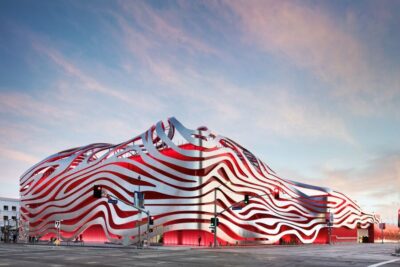
Petersen Automotive Museum Entry & Vault Access
Read our review →
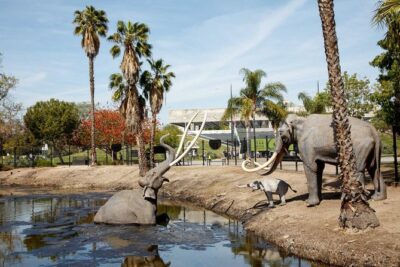
La Brea Tar Pits and Museum Admission Ticket with Excavator Tour
Read our review →
Private Getty Center to Griffith Observatory Guided Tour
Read our review →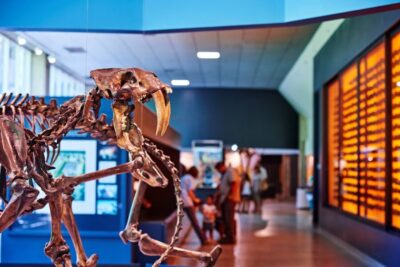
Hollywood Medieval Torture Museum Ticket with Ghost Hunting
Read our review →Browse the lists this tour appears in